
February 27, 2026
Can a Portable Solar Generator Charge All Devices?
Portable solar generators have surged in popularity, offering eco-friendly power solutions in varied situations—from outdoor activities to emergency back-ups. Their ability to harness solar energy and transform it into electricity makes them a versatile tool. But can these powerful devices charge all your gadgets? Understanding the capacity and limits of portable solar generators is crucial. We’ll explore which devices can be charged, which may challenge generator limits, and factors influencing their efficiency. Examining models like the Anker SOLIX C1000 Gen 2, with its 2,000W output and 1,024Wh capacity, provides insights into their capabilities. Whether powering your phone or larger appliances, grasping these nuances ensures you’re making the most of your solar investment.
Devices a Portable Solar Generator Can Charge
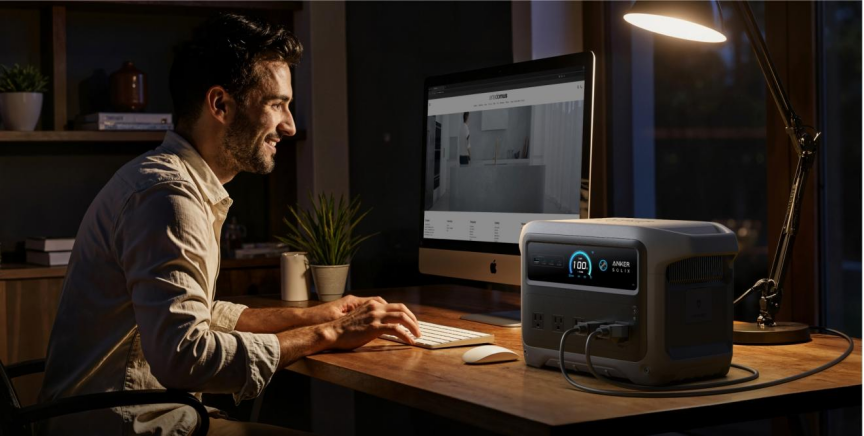
Portable solar generators can power a range of devices, from small electronics to medium-sized appliances, depending on their capacity. They excel at charging essential items like smartphones, tablets, laptops, and cameras.
Small and Low-Power Electronics
Many small and low-power electronics are easily charged by portable solar generators. Devices such as smartphones, tablets, and laptops typically require low wattage, making them perfect candidates. The typical power consumption for these devices ranges between 5W and 60W, well within the capability of most portable solar generators. For instance, the Anker SOLIX C1000 Gen 2, with its 2000W output, can effortlessly support multiple low-power devices simultaneously. Cameras and handheld gaming systems also fall into this category, offering seamless power solutions for adventurers or remote workers. The portability and ease of charging through various ports enhance the generators’ appeal.
Mid-Range Devices and Appliances
Portable solar generators can also support mid-range devices. These include mini-fridges, televisions, and smaller kitchen appliances. Typically, mid-range devices may require 60W to 500W. With generators like the Anker SOLIX C1000 Gen 2, which provides 2000W output and has 10 ports, powering thermal coffee makers or compact microwaves is achievable, but requires careful wattage management. Such generators balance energy output to charge multiple devices simultaneously—ideal for travel or emergency scenarios. However, understanding the exact consumption of each device ensures functional and efficient energy distribution without exceeding output limits.
High-Wattage Appliances
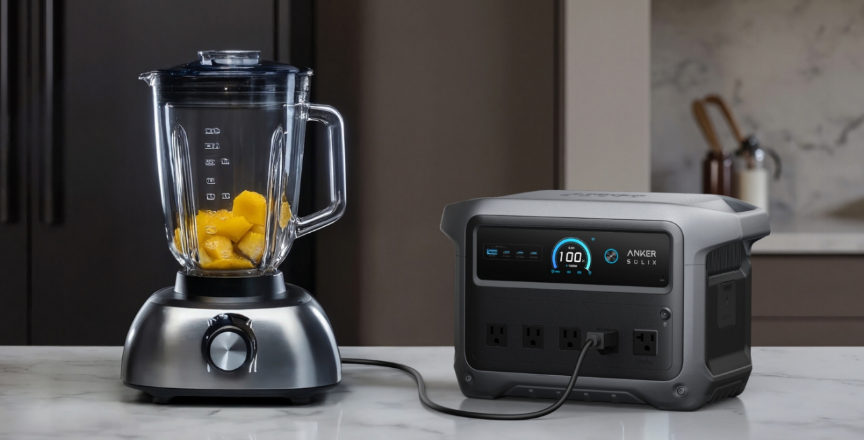
High-wattage appliances pose challenges for standard portable solar generators. Devices such as air conditioners, large ovens, or full-sized refrigerators usually demand more than 1,000W, often beyond many portable models. Generators like the Anker SOLIX C1000 Gen 2 with 2,000W output can potentially handle some high-wattage demands temporarily but may struggle with sustained operation. Continuous power draw and peak surge requirements can deplete solar resources quickly, risking generator overload. Prioritizing essential devices is crucial to prevent system strain—particularly during extended usage. Although innovations in portable solar technology are improving, they may not fully replace traditional electric sources for high-demand items.
Limitations and Devices They Cannot Power
Despite their sustainability, portable solar generators have limitations. High-wattage devices like central AC systems, large electric stoves, or industrial tools often exceed generators’ output limits. Devices needing over 2,000W for a prolonged period typically demand a stable, grid-based power source. Portable solar generators may temporarily support specific functions but are unlikely to manage a full operational load. High-intensity draw reduces battery life, risking depletion faster than recharge capabilities. At times, devices may require more surge power than is provided, causing possible circuitry risks or an ineffective power supply. As such, understanding those limitations guides conscientious usage, ensuring generators power what they’re genuinely designed for without overloading or risk.
Factors That Determine What You Can Charge
Several factors influence a portable solar generator’s charging capacity. Central elements include battery capacity and watt-hour ratings, which affect duration and range of use. Additionally, output wattage and surge power limits dictate what can be safely supported.
Battery Capacity and Watt-Hour Ratings
Battery capacity is critical for determining a generator’s effectiveness. Portable solar generators’ capacity, measured in watt-hours (Wh), indicates total energy storage potential. Devices with higher Wh ratings power appliances longer. For instance, Anker SOLIX C1000 Gen 2, with 1,024Wh capacity, supports extended operations for compatible devices. Before pairing, ensure appliance consumption aligns with generator’s stored capacity. Factor in energy demand fluctuations that might reduce operational efficiency. In-depth understanding of watt-hour ratings prevents premature battery depletion and extends usability lifespans. Additionally, adopting strategies to conserve power—such as minimizing non-essential device usage—optimizes battery functionality.
Output Wattage and Surge Power Limits
Output wattage defines what devices can be charged consistently by a portable solar generator. For continual operation, generator wattage must meet or exceed device requirements. The Anker SOLIX C1000, providing a 2,000W output, ensures diverse device support within limits. Notably, check surge power, the temporary extra wattage capability needed during start-up phases of specific electronics. Devices often draw initial higher power levels, stressing generators. The 3,000W peak output on the Anker SOLIX accommodates temporary surges, promoting stable device activation. Users must comprehend various electronics’ power profiles to avoid short-circuit risks, accounting for both steady-state consumption and surge demands.
Conclusion
Portable solar generators, such as the Anker SOLIX C1000 Gen 2, provide valuable service for charging a range of devices, but understanding their specific capabilities is essential. They efficiently power small and mid-range electronics, offering reliable back-ups or off-grid solutions. High-wattage devices are more challenging and may not be fully compatible, requiring careful assessment and planning. By evaluating critical factors like battery capacity and output wattage, users optimize generator performance. With diligent consideration, portable solar generators shine as eco-friendly power sources, strategically bridging the gap between everyday convenience and sustainable choices. Actively managing usage ensures against depletion, unlocking their full potential in diverse settings.